Tiny Politik (Alpha)
Tiny Politik is a prototype produced over a period of twelve weeks under the supervision of Clancy Duncan (UC) as part of the PROD322 ‘Gaming Project Studio 2’ course at the University of Canterbury in 2024.
Soft Skills Developed
Technical Skills Developed
Our goal with Tiny Politik was to run an extended qualitative playtest; exploring the potential of asynchronous multiplayer in 4X games as a tool to engage both casual and serious players simultaneously.
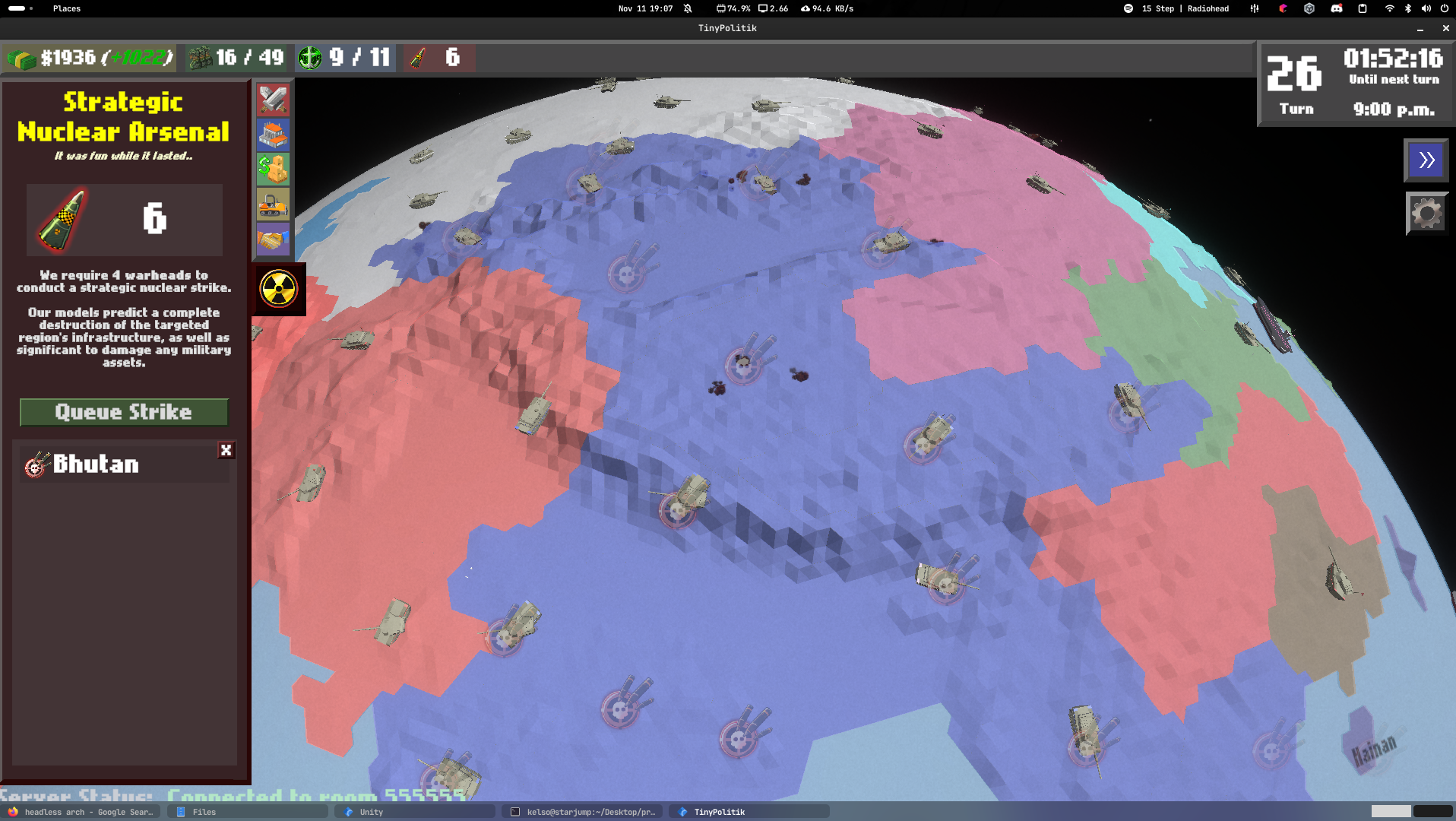
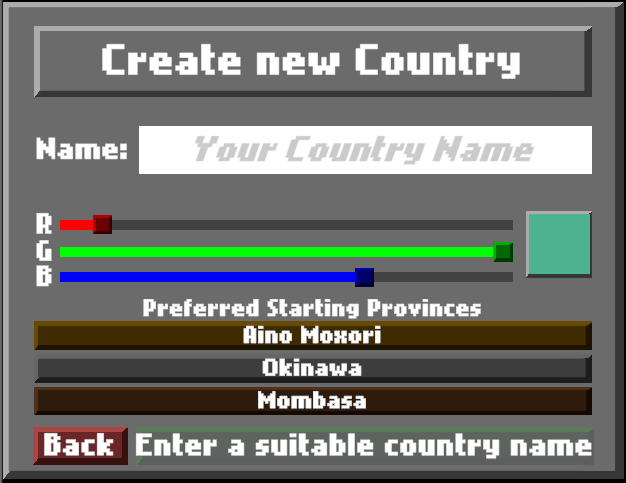
Initially my role in this project was implementation of UI designed by our artist, however we quickly discovered that this was a poor workflow, as the artist had little in-engine or UX design experience at the time. To amend this, I took over the design of UI completely; Directing our artists in their creation of UI assets, as at the time I had little confidence in UI art creation.
This project was where I discovered my passion for UI/UX design. As such, it's a little rough around the edges; thanks to my learning as I went and the project's brief timeline. I look forward to sharing the beta version of Tiny Politik's interface design soon, where I will have corrected the various design errors born from my lack of design education at the time.
Check my page discussing my WIP implementation of a dynamic panel system in Unity's UI Toolkit for our Beta release.Interface Design
Due to the short timespan, and our poor understanding of UI workflows, most of my time was spent reskinning and adjusting UI made by developers. With hindsight, I would have first designed the UI/UX holistically in a program such as Figma; then blocking it out in Unity.
My aesthetic inspirations were based on 2000s era computing, although I'm fairly dissatisfied with this initial result. In the WIP beta versionI've been able to land on a much more grounded and accurate reflection of 2000s computer interface design.
Playtesting
Paper Prototype(s)
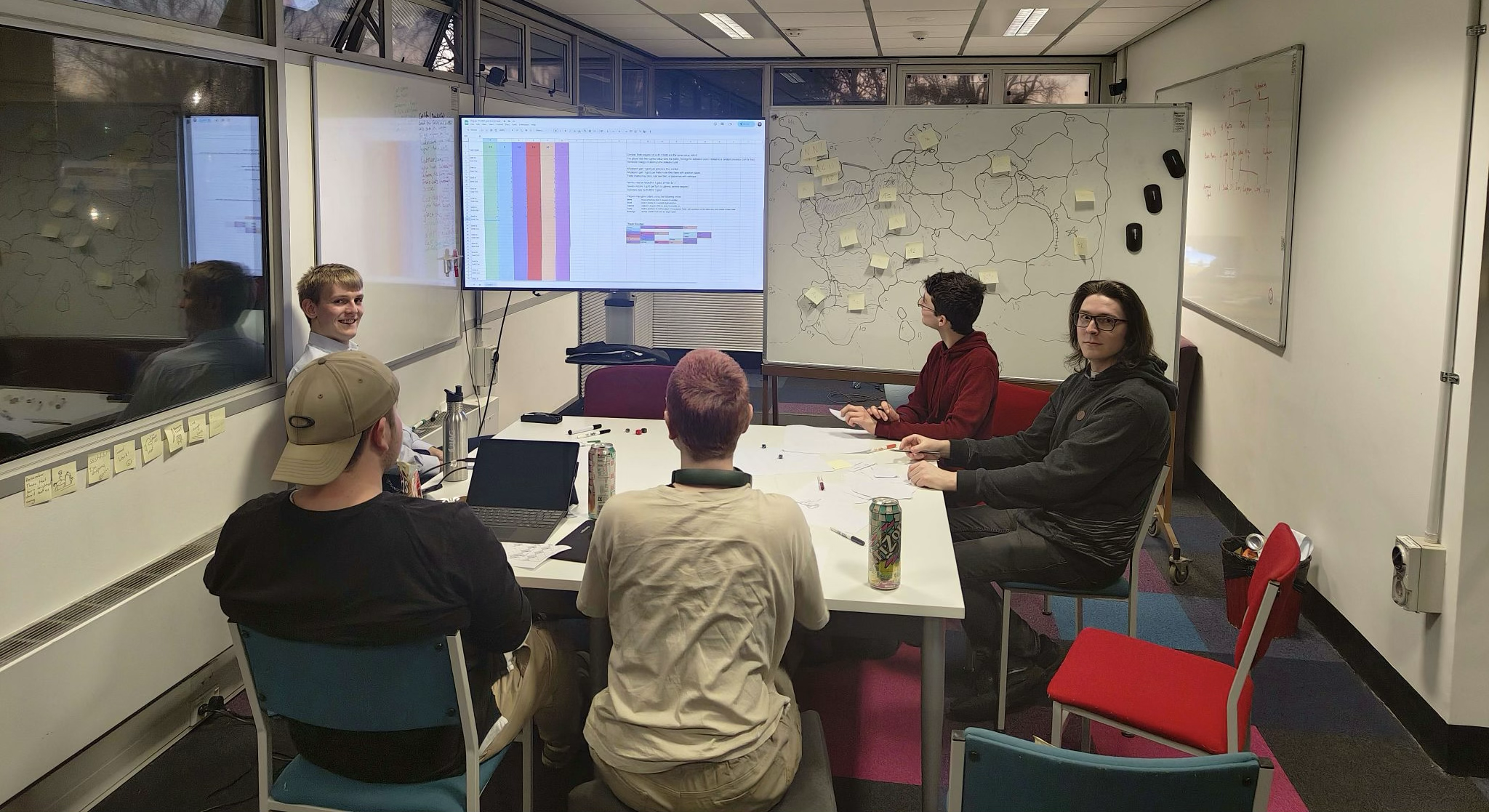
Two paper prototypes were conducted whilst other team members were developing the network solution for Tiny Politik. The first was conducted in-person over a night, this was mainly a preliminary test to iron out specific mechanic details for the second playtest.
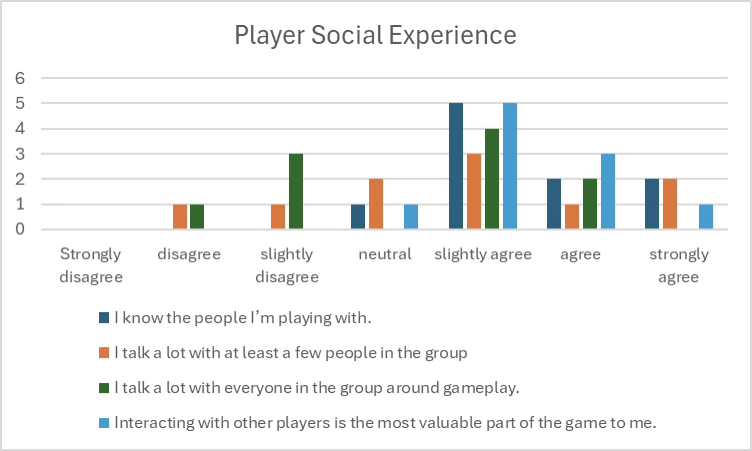
The second playtest was of a much larger scale and digital, involving Discord. Over the course of five days I painstakingly processed the turns of ~18 players, the amount of informal data we got from players during this period was highly valuable. In particular, it served to reinforce the validity of our asynchronous concept; as we found the spaced out turns served to increase player excitement and social interaction.
Somewhat unsurprisingly, this second playtest quickly became unsustainable to maintain due to the sheer amount of actions to process once player's had developed their nations. Rather than continue it unnecessarily, I began work on the digital prototype; which other team members had gotten the initial MVP of working.
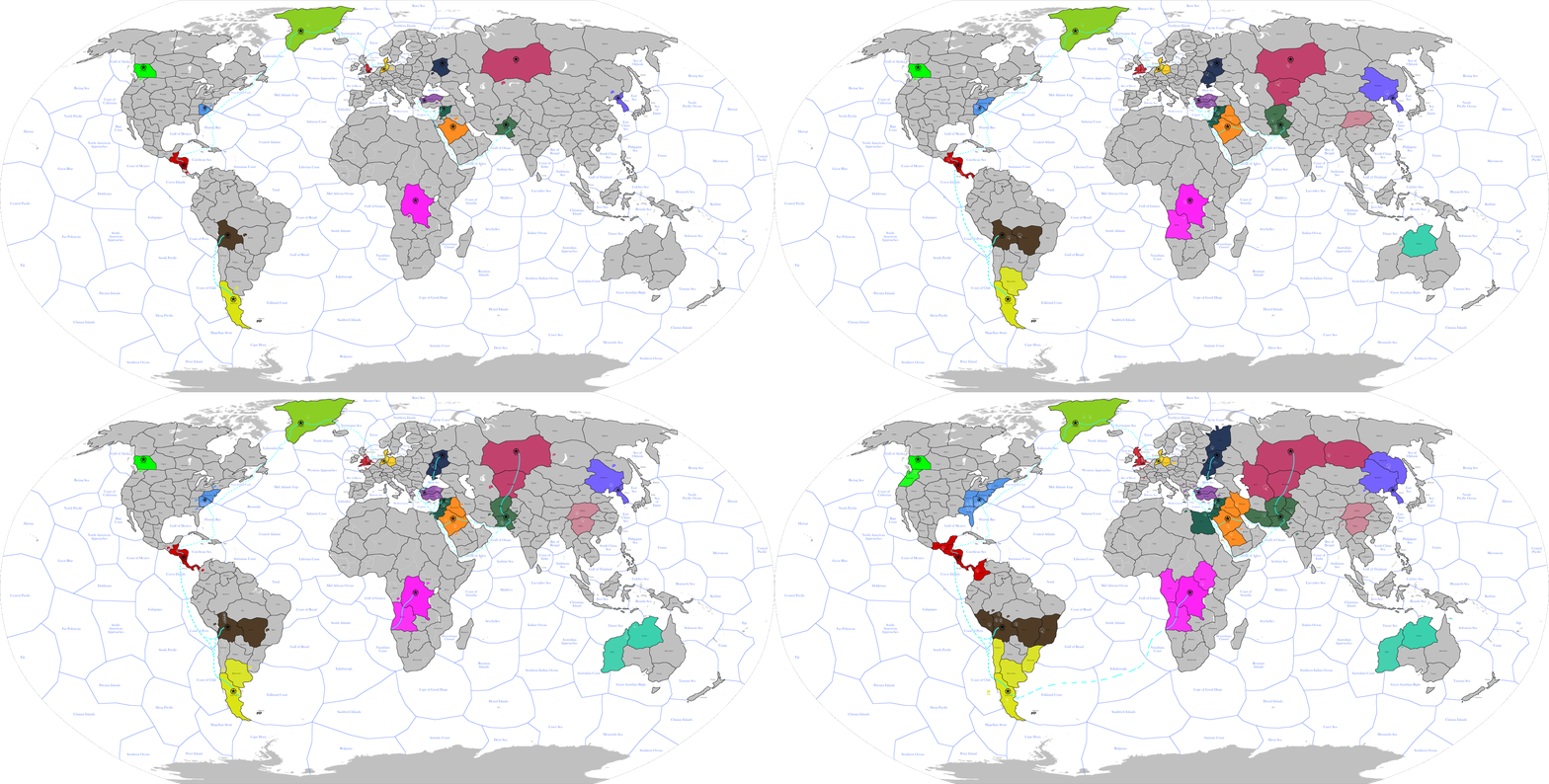
Digital Prototype
Throughout development we ran frequent, multiplayer internal and external tests. These were critical for fixing balance issues and fixing crashes. After completing our final development sprint, we hosted a 20-player (including ourselves) playtesting event spanning a week.
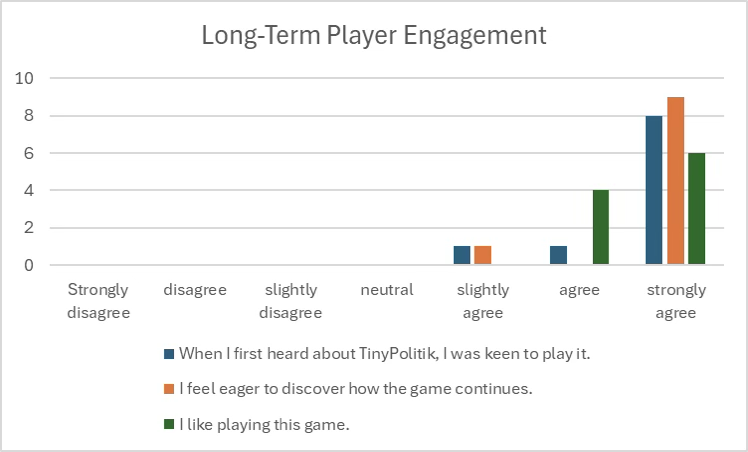
We found long-term player engagement to be highly positive in our limited playtesting (all playtesters fellow students), with players agreeing that they were gripped by the concept when first hearing about it, eager to see how the game continues even after 28 turns.